You Don’t See the Damage Until It’s Expensive: Inside the Real Cost of Deferred Maintenance
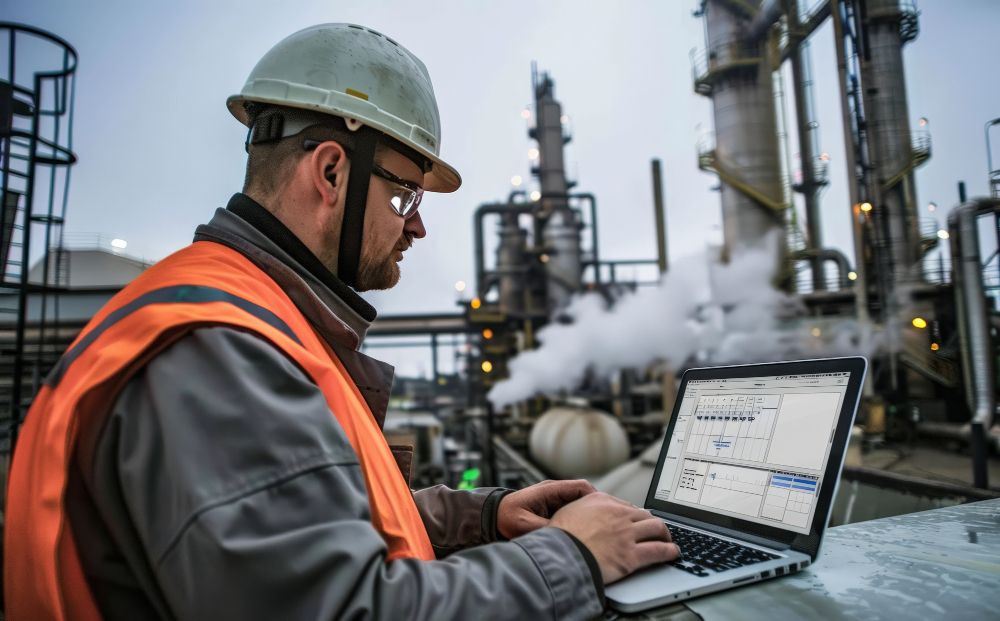
Deferred maintenance rarely feels urgent—until it suddenly is. In many Louisiana facilities, equipment continues to operate day after day while corrosion, material fatigue, and access limitations quietly compound risk. By the time damage becomes visible, the cost is no longer incremental—it’s disruptive, expensive, and often avoidable.
Facilities that rely on proactive energy services in Louisiana understand that maintenance delays don’t save money. They shift costs forward, turning manageable issues into operational failures.
Deferred Maintenance Is a Decision—Not an Accident
Most integrity failures are not caused by lack of awareness. They stem from postponed inspections, delayed cleaning cycles, or temporary repairs that quietly become permanent. Each deferral increases uncertainty about actual asset condition.
Facilities that implement structured mechanical integrity inspection programs gain visibility into degradation trends instead of reacting to unexpected failures. Inspection data removes guesswork and allows maintenance decisions to be planned rather than forced.
Operators who wait for visible damage often discover they waited far too long.
Corrosion Thrives in Delay
Louisiana’s climate accelerates corrosion in ways many facilities underestimate. Moisture intrusion, insulation breakdown, and chemical exposure work continuously—whether inspections are happening or not.
Facilities that postpone surface protection frequently face larger repairs later. Proactive corrosion control and protective coatings slow degradation and reduce lifecycle costs when applied early and maintained consistently.
Deferred coating work doesn’t pause corrosion—it accelerates it.
When Cleaning Is Postponed, Inspections Lose Value
Tank and vessel interiors are often excluded from maintenance schedules because cleaning requires planning and downtime. But without routine tank and vessel cleaning, inspections become incomplete or misleading.
Residue, sludge, and buildup hide corrosion and wall loss. Facilities that delay cleaning often miss early warning signs, only to discover advanced deterioration during emergency outages.
Cleaning isn’t maintenance on its own—it enables meaningful inspection and informed decisions.
Fabrication Shortcuts Multiply Over Time
Deferred maintenance often reveals problems rooted in earlier fabrication decisions. Temporary fixes, undocumented repairs, or non-standard modifications create inspection challenges years later.
Facilities that rely on qualified construction and fabrication services avoid compounding integrity issues. Proper fabrication supports accurate inspections, predictable degradation, and safer long-term operation.
When fabrication quality is compromised, maintenance becomes reactive by default.
Access Delays Become Integrity Delays
Some inspections are postponed simply because access is difficult. Elevated piping, confined spaces, and complex structures are frequently excluded from routine inspection schedules due to cost or disruption.
Modern rope access solutions eliminate many of these barriers. By enabling fast, safe access without major shutdowns, inspections can occur when they’re needed—not when it’s convenient.
Deferred access leads directly to deferred insight.
Insulation Failures Are Rarely Sudden
Insulation systems often fail gradually. Moisture ingress, mechanical damage, or coating breakdown beneath insulation progresses quietly until corrosion becomes severe.
Facilities that integrate paint inspection and insulation programs into routine maintenance identify issues early—before insulation hides advanced damage.
Ignoring insulation condition is one of the most common contributors to deferred corrosion detection.
Small Leaks Signal Bigger Problems
Minor flange leaks are often treated as nuisances rather than integrity warnings. Temporary containment solutions become permanent fixes, while underlying issues remain unaddressed.
The proper application of flange cuff technology supports safer operations while inspections and corrective actions are planned. When leaks are deferred instead of investigated, they often indicate broader integrity challenges.
Containment is not correction—but it buys time to act responsibly.
Compliance Costs Rise With Every Delay
Deferred maintenance doesn’t just impact assets—it affects compliance. Missing inspection intervals, incomplete documentation, and unresolved anomalies increase regulatory exposure.
Facilities that align integrity programs with safety compliance requirements avoid last-minute scrambles during audits or incident investigations. Consistent documentation and follow-through reduce both risk and stress.
Compliance failures are often the downstream result of maintenance deferrals.
Deferred Maintenance Always Gets Paid—With Interest
Every deferred task eventually returns, usually at a higher cost. Emergency repairs, unplanned outages, and safety incidents disrupt operations far more than planned maintenance ever would.
Facilities that partner with integrated Louisiana energy services providers gain continuity across inspections, cleaning, access, fabrication, and compliance. This continuity reduces the temptation to defer because solutions are coordinated and accessible.
Deferred maintenance feels cheaper—until it isn’t.
Choosing Predictability Over Surprise
Organizations that work proactively with experienced teams like Aslan Energy recognize that maintenance decisions shape long-term performance. By investing early in inspection-driven strategies, facilities avoid the compounding costs of delay.
For operations looking to regain control over asset condition, engaging trusted energy services professionals in Louisiana provides a clear path forward—one built on visibility, accountability, and prevention rather than reaction.